


Arterial Embolization for the Internal Hemorrhoids Management A Systematic Review
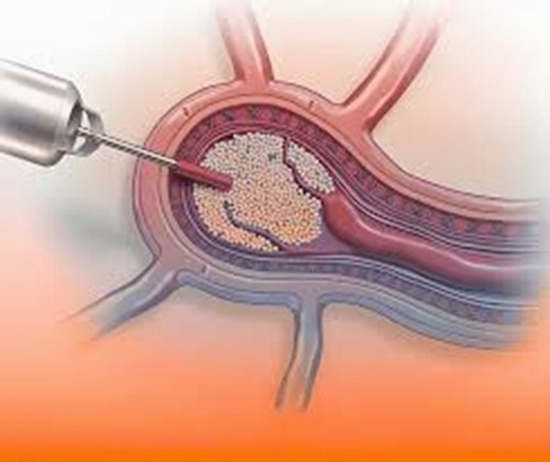
Background and aims: Hemorrhoids are common vascular structures that can become symptomatic when prolapsed, representing the most prevalent benign anorectal condition worldwide. Despite affecting up to 11% of the population with symptoms including pain, bleeding, and discomfort, hemorrhoids remain underdiagnosed and often inappropriately managed. This systematic review aimed to evaluate the efficacy, clinical outcomes, and morbidity of endovascular artery embolization in hemorrhoids.
Method: Up to August 2022, PubMed, Scopus, Web of Science, and Embase were searched comprehensively. All studies had eligible criteria included, except review articles, articles published in a language other than English, and case reports or series of cases. Two independent reviewers performed a literature review and data extraction. Preferred Reporting Items for Systematic Reviews and Meta-Analysis (PRISMA) 2020 checklist was used for quality assessment.
Results: The systematic review included 15 studies. The patient's age ranged from 40.5 ± 9.51 to 72.2 ± 10.9. Eleven studies mentioned the sample size as gender-specific, with 57.89% (n = 187/323) male patients. The embolic site involved in embolization, according to the frequency, was 424 patients for the superior rectal artery in all studies, and coils and micro coils were utilized as Embolic material in most cases. No major complication or death was noted in 12 studies. The most frequent complications were postoperative pain and tenesmus, bleeding, ulceration and fibrotic scars, and low-grade fever. In 11.79% (n = 27/229) of patients re-embolization and after-treatment surgery were due to surgical failure and symptom recurrence, such as bleeding.
Conclusion: Rectal artery embolization using microcoils, embolic particles, or a combination is a new method for managing internal hemorrhoids with proper clinical efficacy without significant complications. QoL score has improved after emborrhoid, and most cases had a lower bleeding score


comment